Identity & Culture
Somatic therapy for intergenerational trauma, bicultural identity, and racial trauma — for second-generation and multicultural clients navigating identity and belonging.
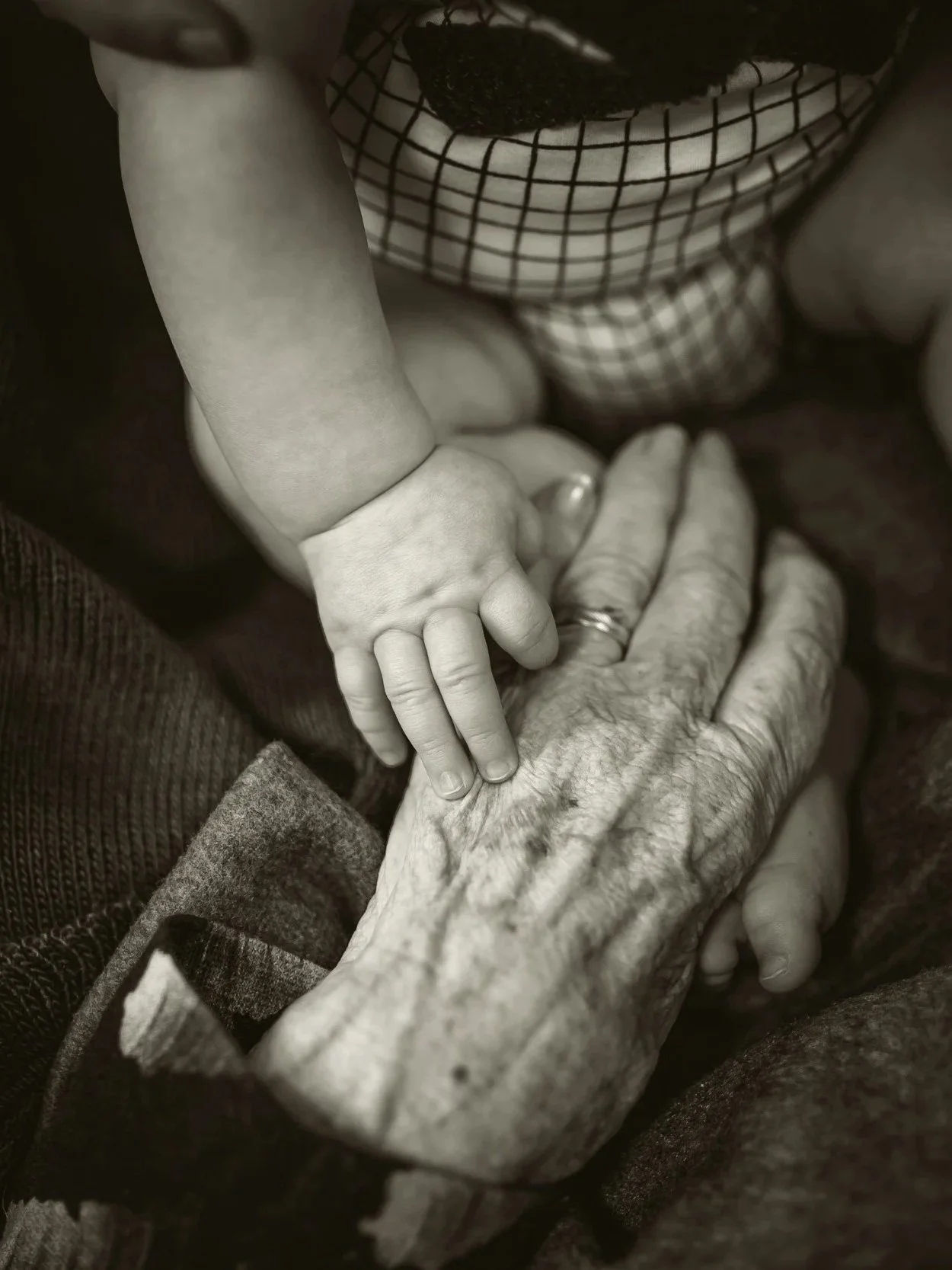
Intergenerational Trauma
What you might be experiencing:
Intergenerational trauma isn't always one big event — it's the small, repeated ways survival gets passed down as love. Maybe you grew up with a felt sense of urgency around achievement, a rigidity around doing things the "right" way, or a quiet pressure to make your parents' sacrifices worth it. You might feel a persistent hum of anxiety you can't quite locate, guilt when you rest, or a disconnect between the life you're building and the values you inherited. You may love your family deeply and still feel exhausted by the patterns that live in your body.
Our somatic approach:
Because intergenerational trauma often lives below the level of story — in the nervous system, in the body's baseline sense of safety — talk alone can only go so far. We'll work together to notice where survival patterns show up physically: the shoulders that never quite drop, the breath that stays shallow, the bracing that happens before you even know you're anxious. Using somatic and nervous-system-informed tools, we slow down enough for your body to recognize that it's safe now, even if it wasn't always safe before.
What to expect together:
We'll go at a pace your nervous system can actually integrate — no rushing toward insight before your body is ready. Expect curiosity about your family history and culture, without pathologizing where you come from. Over time, many clients find they can hold more compassion for their parents and grandparents while also setting boundaries that protect their own healing. You don't have to choose between honoring your lineage and building a different life.
Bicultural & Multicultural Identity

What you might be experiencing:
You may feel like you're translating yourself constantly — softer in one space, sharper in another, never fully "enough" in either. Maybe you've felt caught between two (or more) sets of expectations around family, success, relationships, or emotional expression, and you're tired of code-switching just to feel understood. Questions like "where do I belong" or "which version of me is the real one" might feel closer to home than you'd like to admit.
Our somatic approach:
Identity isn't only a cognitive story — it's held in the body, in how safe or unsafe it feels to take up space, speak your mind, or show up as fully yourself in different rooms. We'll explore how your nervous system learned to shift and adapt across cultural contexts, and gently build capacity for you to feel grounded in your own skin, rather than only safe when you're performing a particular version of yourself.
What to expect together:
This work is deeply informed by my own experience as a second-generation Taiwanese American — I understand this terrain from the inside, not just the textbook. Expect a space where your cultural context is never something to explain away or minimize. Together we'll work toward an identity that isn't fragmented across contexts, but integrated — where you can carry all your parts with you, wherever you are.
Racial Trauma & Identity
What you might be experiencing:
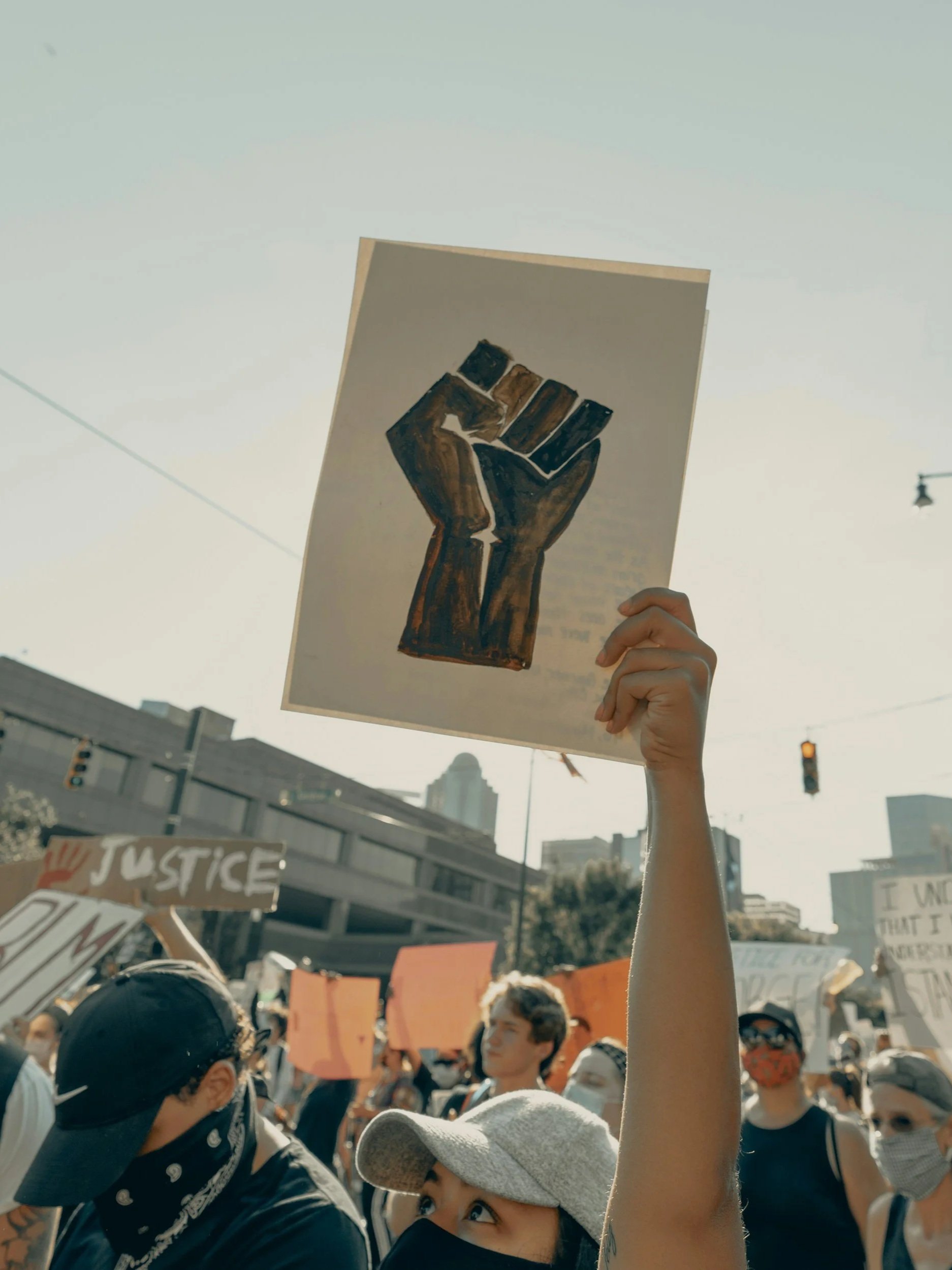
You might carry a fatigue that's hard to name — the accumulated weight of microaggressions, of being the "only one" in a room, of having to explain or justify your existence in spaces that weren't built with you in mind. Racial trauma doesn't always come from one dramatic incident; it's often cumulative, showing up as hypervigilance in certain environments, a tightness that appears before you can name why, or a deep tiredness that rest doesn't quite touch. You may also be doing the quiet work of unlearning what you were taught about your own worth.
Our somatic approach:
Racial trauma lives in the nervous system as much as in memory — the body learns to brace, scan, and armor in response to repeated experiences of racism, even subtle ones. We work with these physical patterns directly: the held breath, the readiness to perform or please, the exhaustion of always being "on." Somatic work helps your body register that you don't have to stay braced all the time, and creates room to actually feel — grief, anger, pride — rather than manage it all silently.
What to expect together:
You won't need to educate me on the basics of racism or justify that your experience was "real enough" to bring into the room. This work holds space for the full complexity of racial identity — including pride, ambivalence, anger, and joy — without rushing you toward resolution. Many clients find relief simply in not having to carry this alone or translate it for someone else first.